
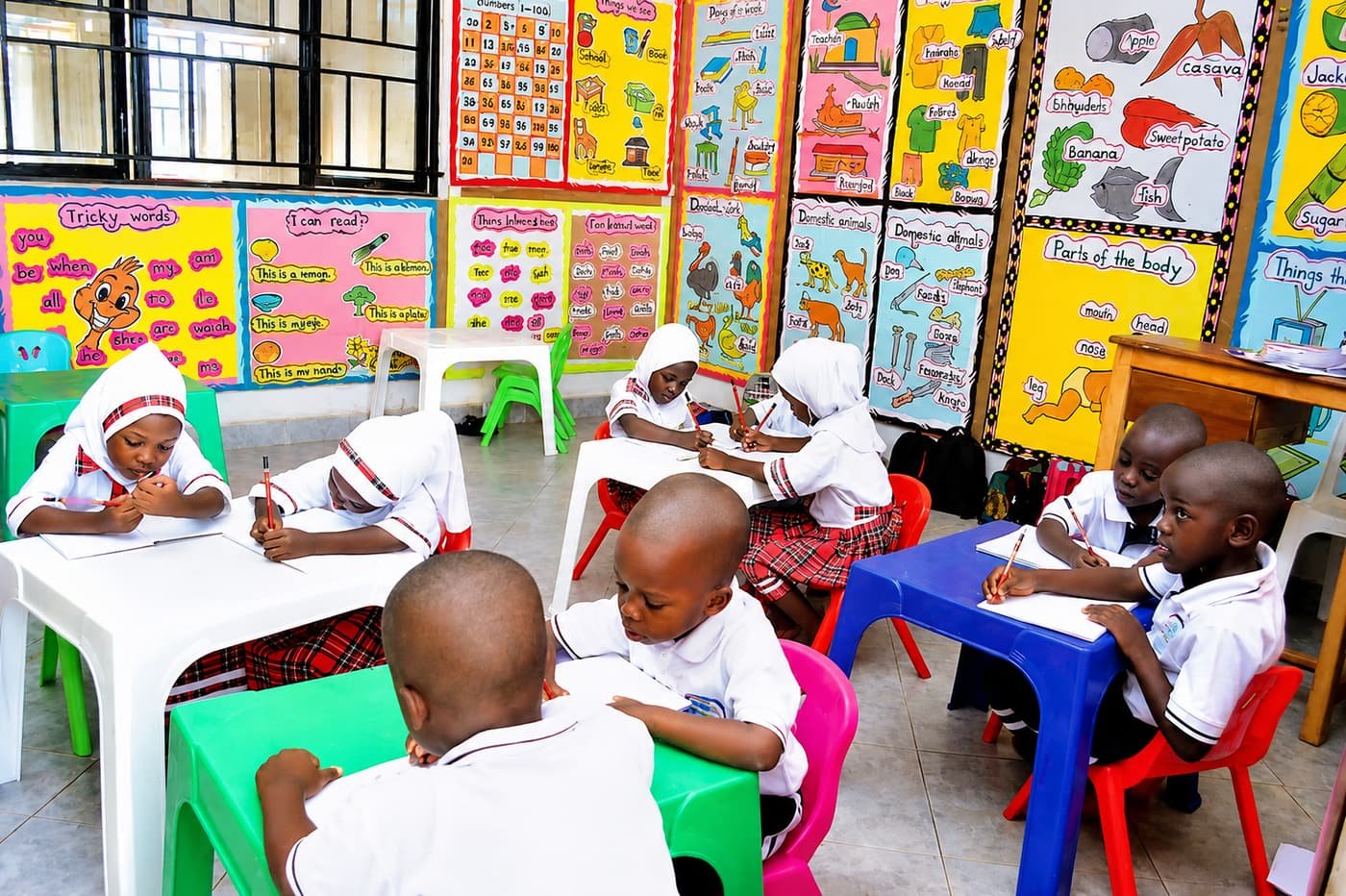
Of everything taught in lower primary, few skills matter as much as basic literacy and numeracy. These are not simply two subjects among many — they are the tools a child uses to access nearly every other subject that follows.
Every Subject Depends on These Basics
A child who struggles to read fluently will struggle with a science textbook, a social studies passage, or even the instructions on a mathematics exam — regardless of how capable they might be in that subject itself. Similarly, weak number sense makes it harder to grasp concepts in science, and even everyday tasks like managing money.
Gaps Tend to Compound Over Time
A small gap in reading or number skills in early primary school does not usually disappear on its own — it tends to grow, since each year's lessons build on the previous year's foundation. This is why early identification and support for struggling learners matters so much more than waiting to see if a child "catches up."
Repetition and Practice Build Fluency
Literacy and numeracy are skills, not simply knowledge to be memorised once. Like any skill, they improve through regular, low-pressure practice — reading aloud, working through sums, practising multiplication facts — rather than occasional intense study sessions.
How Parents Can Reinforce This at Home
Simple daily habits go a long way:
- A few minutes of reading aloud or independent reading each day
- Practising number facts through everyday activities like shopping or cooking
- Asking a child to explain how they solved a problem, not just the answer
- Celebrating steady improvement, not only perfect scores
A Foundation, Not a Finish Line
Strong literacy and numeracy in early primary school are not the end goal — they are the foundation everything else is built on. Getting this right early makes every subject that follows more accessible.
At Etihad Islamic Primary School, our early years and lower primary classes are built around exactly this kind of steady, patient foundation-building.