Respect, responsibility and kindness are among the values most parents hope their children will grow up with. Unlike academic subjects, these values are rarely learned from a single lesson — they are absorbed gradually, through repeated everyday experiences.
Respect Starts With Being Respected
Children learn respect largely by experiencing it. A child who is spoken to with patience and courtesy — by parents, teachers and older siblings — learns what respectful interaction looks like far more effectively than a child who is simply told to "be respectful."
Responsibility Grows Through Small Tasks
Age-appropriate responsibilities, whether at school or at home, teach children that their actions matter and that others depend on them. Simple tasks — keeping their own desk tidy, helping set the table, caring for a younger sibling for a few minutes — build this sense of responsibility gradually.
Kindness Needs to Be Noticed
When a child shares, helps a classmate, or comforts someone who is upset, acknowledging that moment specifically — rather than letting it pass unnoticed — reinforces kindness as something worth practising, not just a nice idea.
Correcting Unkindness Without Shame
When children behave unkindly, as they inevitably will at times, calm correction that explains the impact of their behaviour teaches more than punishment alone. Helping a child understand how their actions affected someone else builds empathy over time.
Consistency Between Home and School
When the same standards of respect, responsibility and kindness are expected consistently at home and at school, children internalise these values more quickly than when the messages conflict.
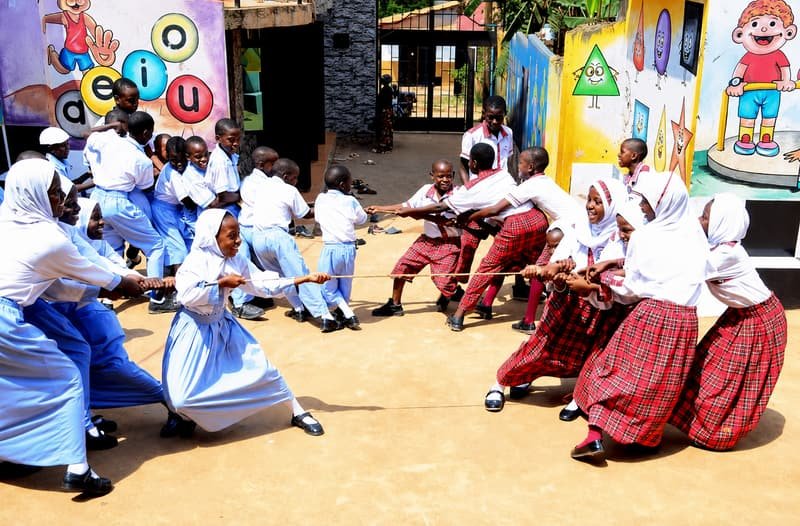
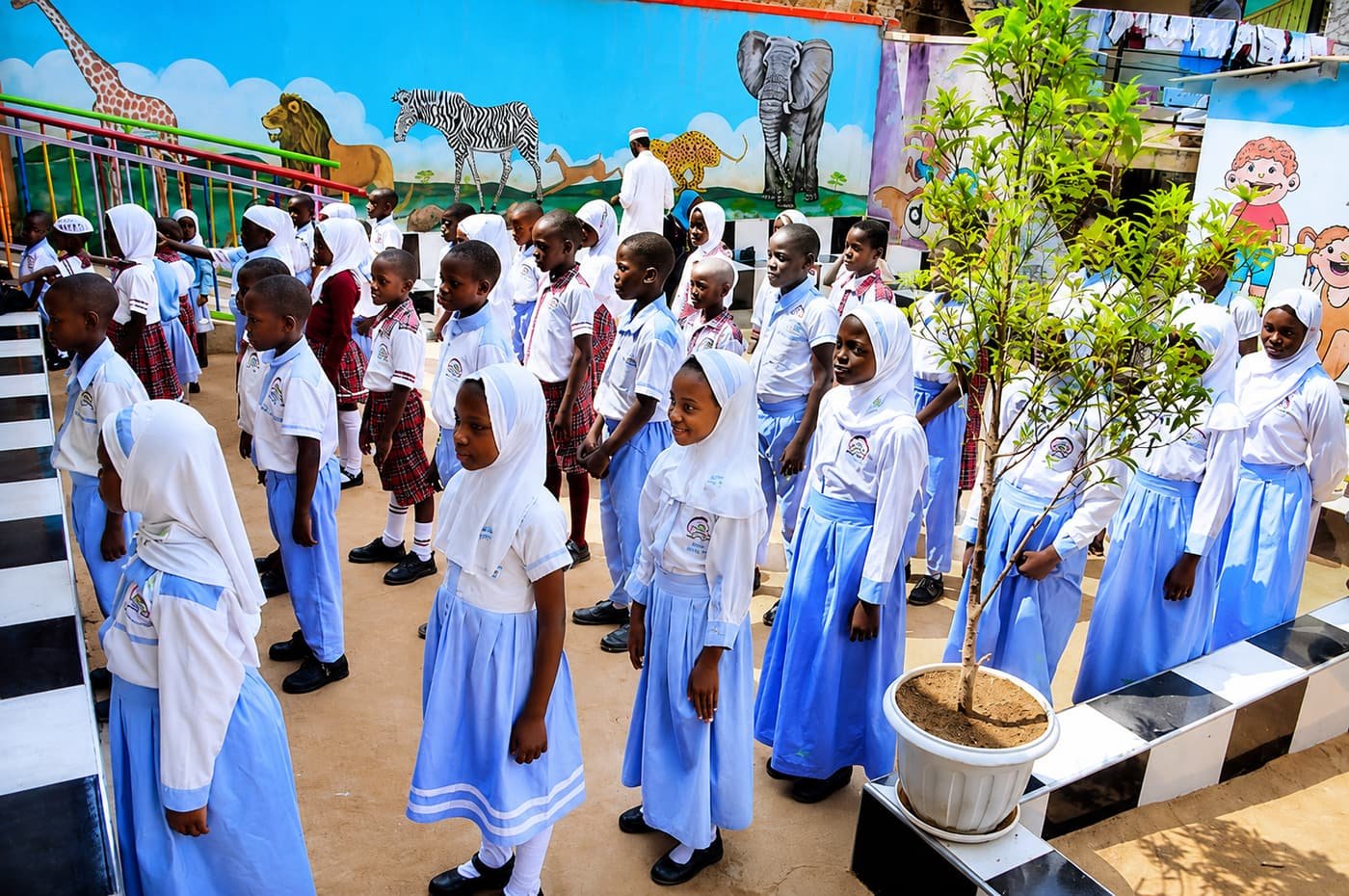
At Etihad Islamic Primary School, respect, responsibility and kindness are values we expect to see in the classroom, the playground and the school corridors alike, not just in a lesson about values.